
Signature Experiences,
Endless Possibilities

Here are some of our favorite experiences across our regions. But this is just the beginning. Whether you dream of tracing ancient pilgrimage routes, diving deep into wine country, or discovering villages that aren't in any guidebook—we'll design the journey that's uniquely yours.

Ideas of Experiences in Tuscany

Montalcino & Val d'Orcia

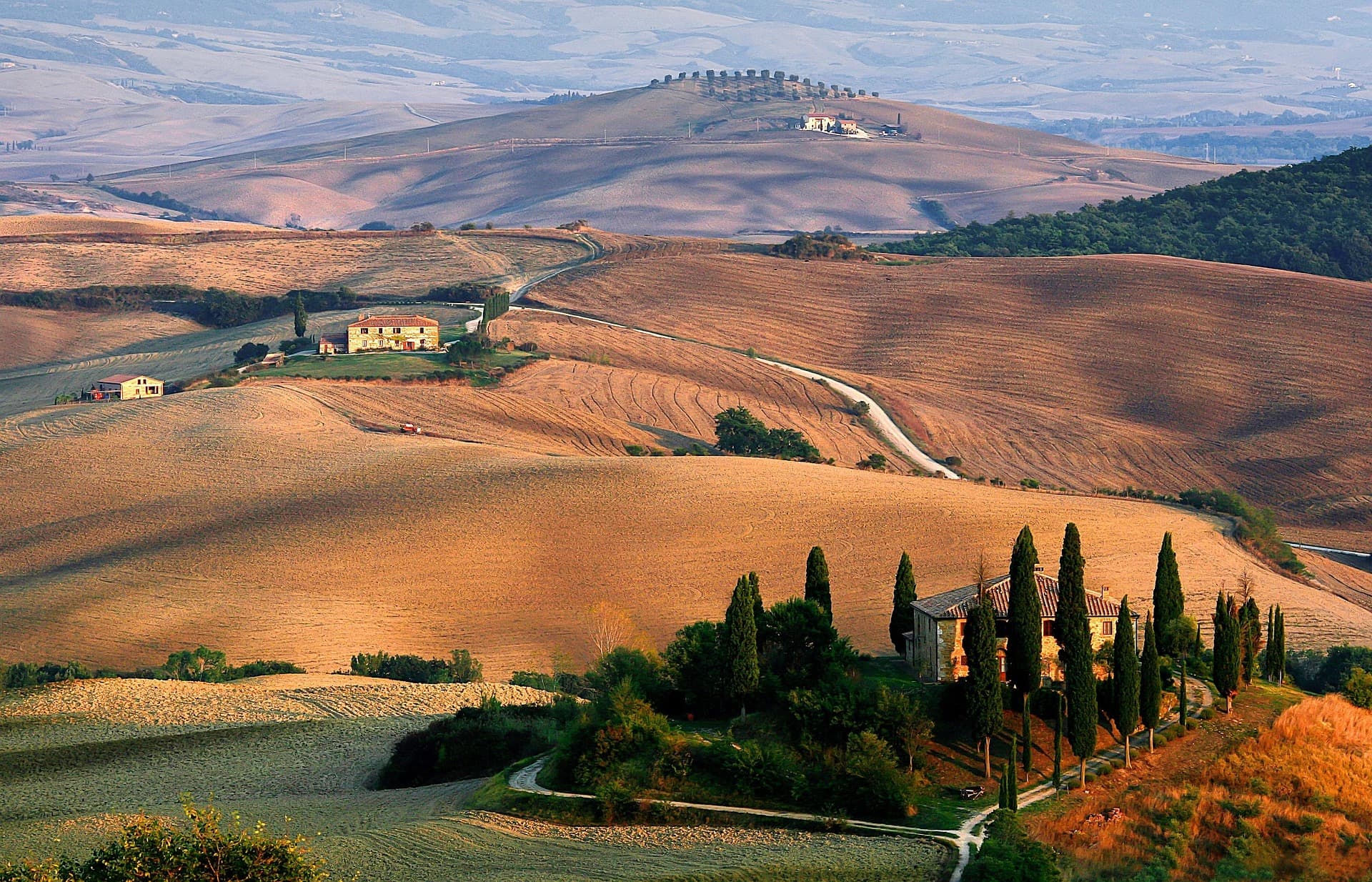
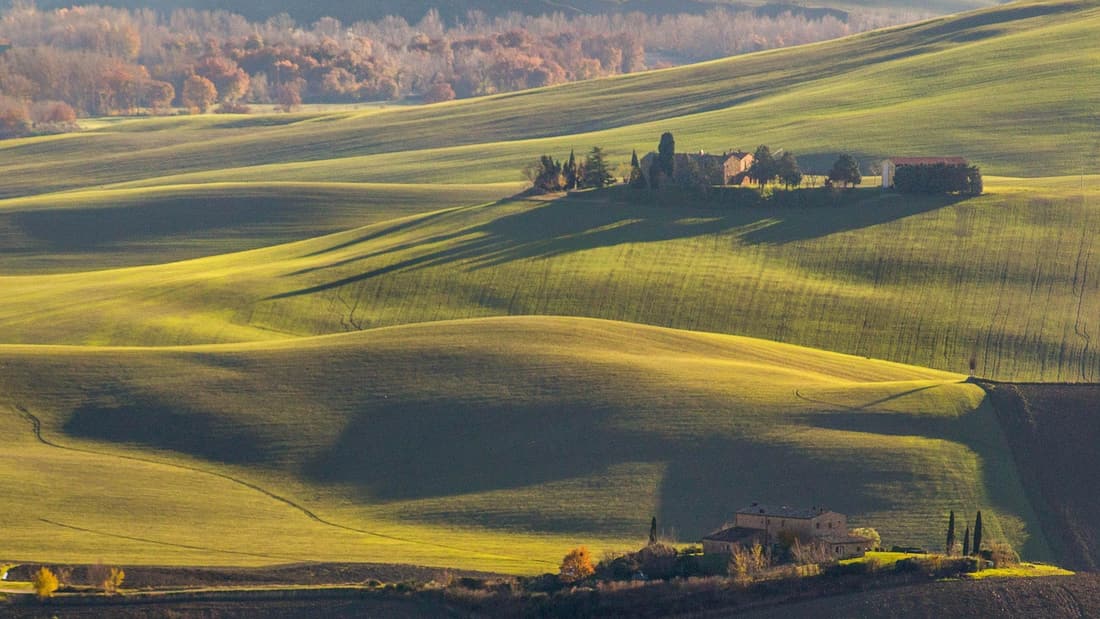
The Val d'Orcia is the quintessential Tuscan landscape, a UNESCO World Heritage site where cypress-lined roads wind through golden hills and medieval hilltop towns seem frozen in time. Montalcino reigns over this paradise, home to Brunello, one of Italy's most prestigious wines. The journey through Pienza, Montepulciano, and San Quirico d'Orcia reveals Renaissance architecture, artisan pecorino cheeses, and breathtaking vistas that have inspired artists for centuries. This is Tuscany at its most sublime.
Siena & San Gimignano

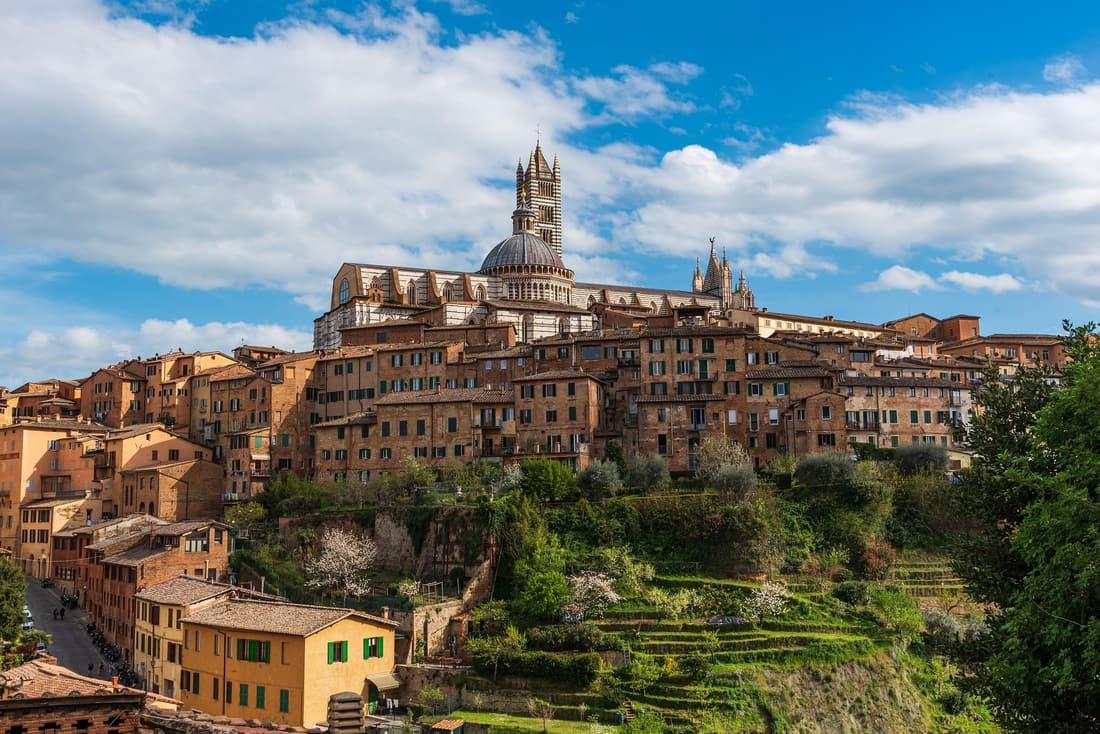
Siena's medieval heart beats in its shell-shaped Piazza del Campo, where the legendary Palio horse race has thundered twice yearly for centuries. The Gothic cathedral stands as one of Italy's masterpieces, while winding alleys reveal artisan workshops and traditional trattorias. A short drive brings you to San Gimignano, the "Medieval Manhattan" whose ancient towers pierce the sky above vineyards producing Vernaccia, Tuscany's most celebrated white wine. Together, these UNESCO sites offer an incomparable journey through medieval splendor.

Lucca & Apuan Alps

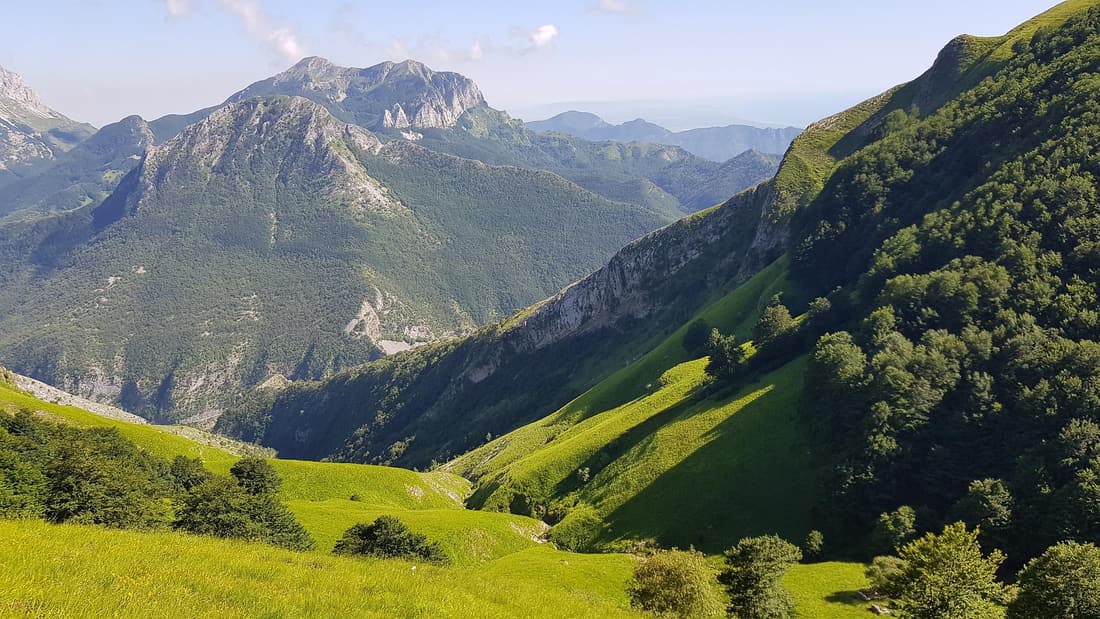
Lucca enchants with its perfectly preserved Renaissance walls, now a tree-lined promenade encircling an elegant city of Romanesque churches, hidden piazzas, and refined palazzos. Behind the city, the dramatic Apuan Alps rise like white giants, their marble quarries having supplied Michelangelo for centuries. The contrast between Lucca's cultured grace and the raw beauty of mountain villages like Carrara and Pietrasanta creates a journey spanning art, nature, and the timeless craft of stone. The nearby beaches of Versilia complete this diverse landscape.

Volterra & Etruscan Hills

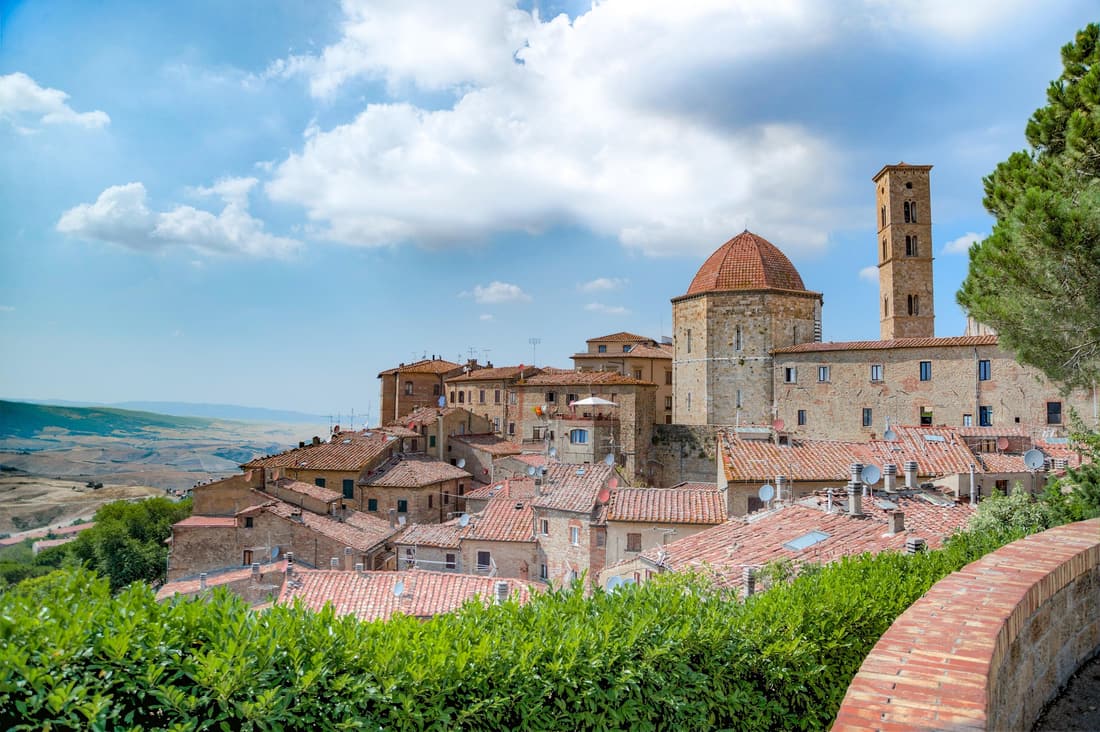
Volterra stands on a windswept plateau, its Etruscan walls and Roman theater revealing 3,000 years of unbroken history. This mysterious town is famous for alabaster craftsmanship, dramatic landscapes that drop away to distant horizons, and an atmosphere that seems suspended between eras. The surrounding hills harbor medieval villages, thermal springs, and countryside where sheep graze among ancient ruins. Volterra offers a journey into Tuscany's deepest, most enigmatic soul, far from tourist trails.

Montepulciano & Cortona

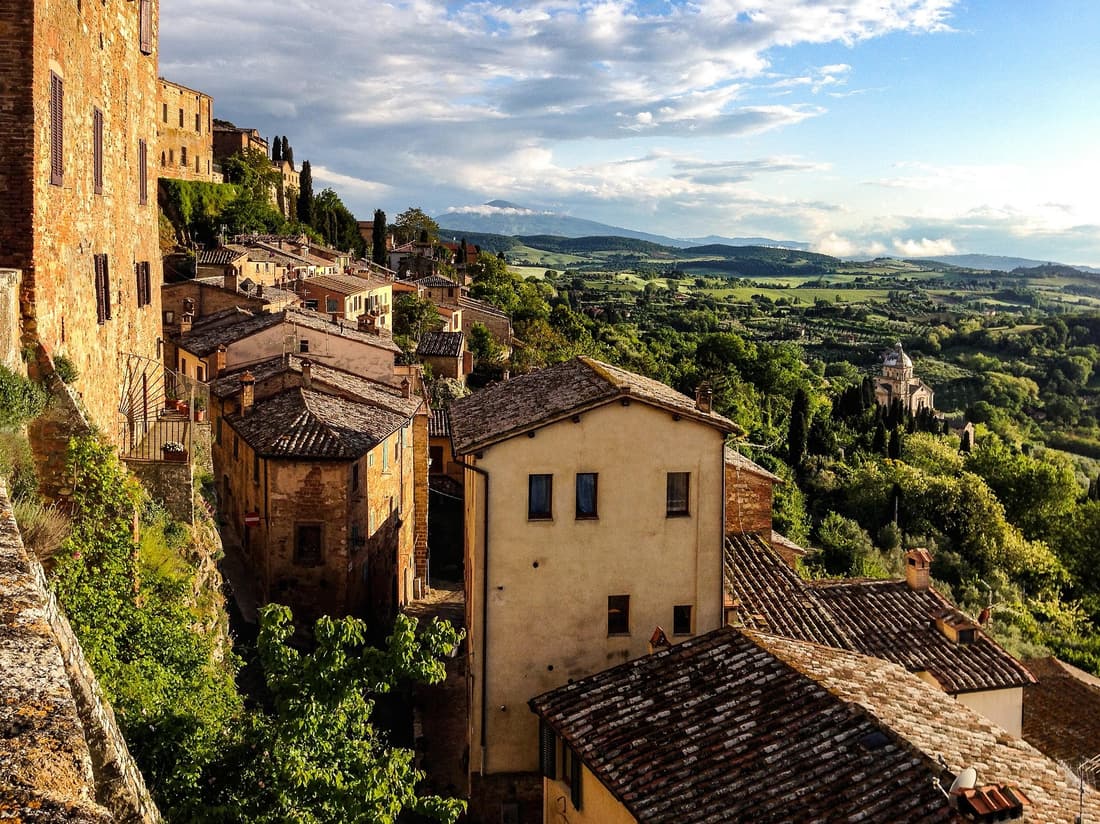
Montepulciano rises majestically above vineyards producing Vino Nobile, a wine worthy of its Renaissance palaces and dramatic hilltop setting. The town's steep streets lead to breathtaking panoramas over the Val di Chiana and Val d'Orcia. Nearby Cortona, perched even higher, blends Etruscan origins with medieval charm and artistic treasures, made famous by "Under the Tuscan Sun." Together, these noble towns offer exceptional wines, sublime views, and an authentic taste of southern Tuscany's timeless elegance.

The Path of Soul: Abbeys & Chartreuse Monasteries

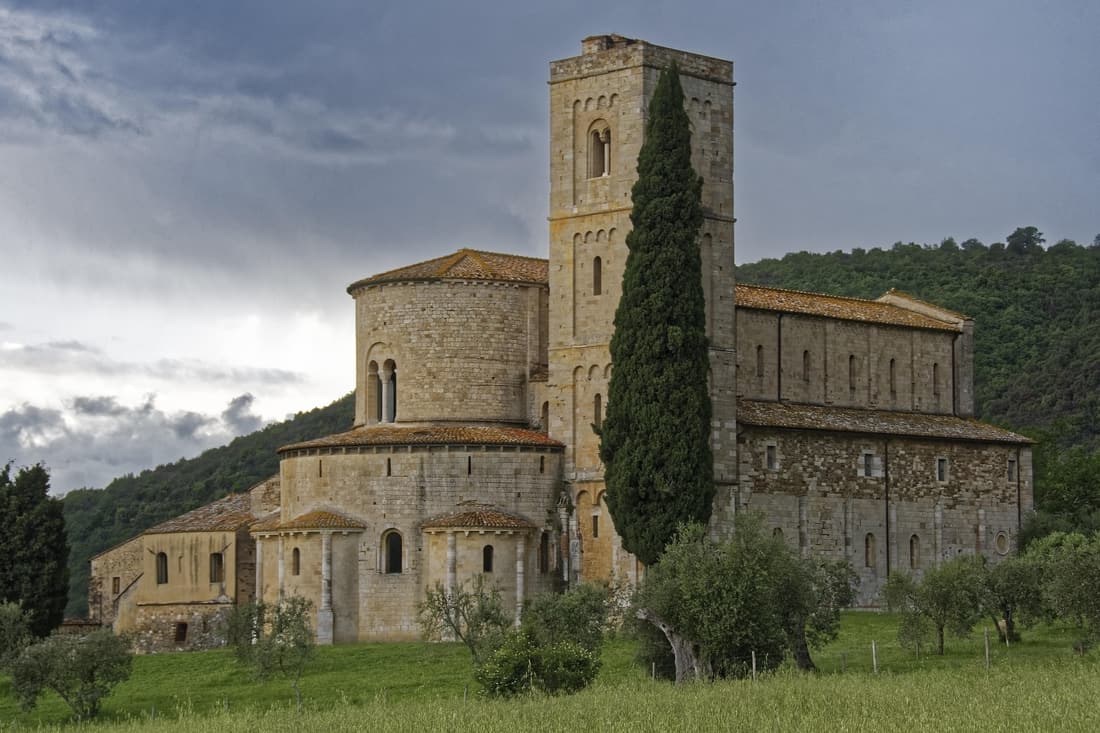
Tuscany's spiritual heritage lives in remarkable abbeys and monasteries scattered across its most serene landscapes. From the Romanesque perfection of Sant'Antimo in the Val d'Orcia to the austere beauty of Monte Oliveto Maggiore with its Renaissance frescoes, these sacred places offer profound peace and artistic wonder. The Carthusian monastery of Calci near Pisa and the hermitage of Camaldoli in the Casentino forests reveal centuries of monastic life. This journey feeds the soul through art, architecture, silence, and timeless spirituality.

Maremma: Tuscany's Wild South

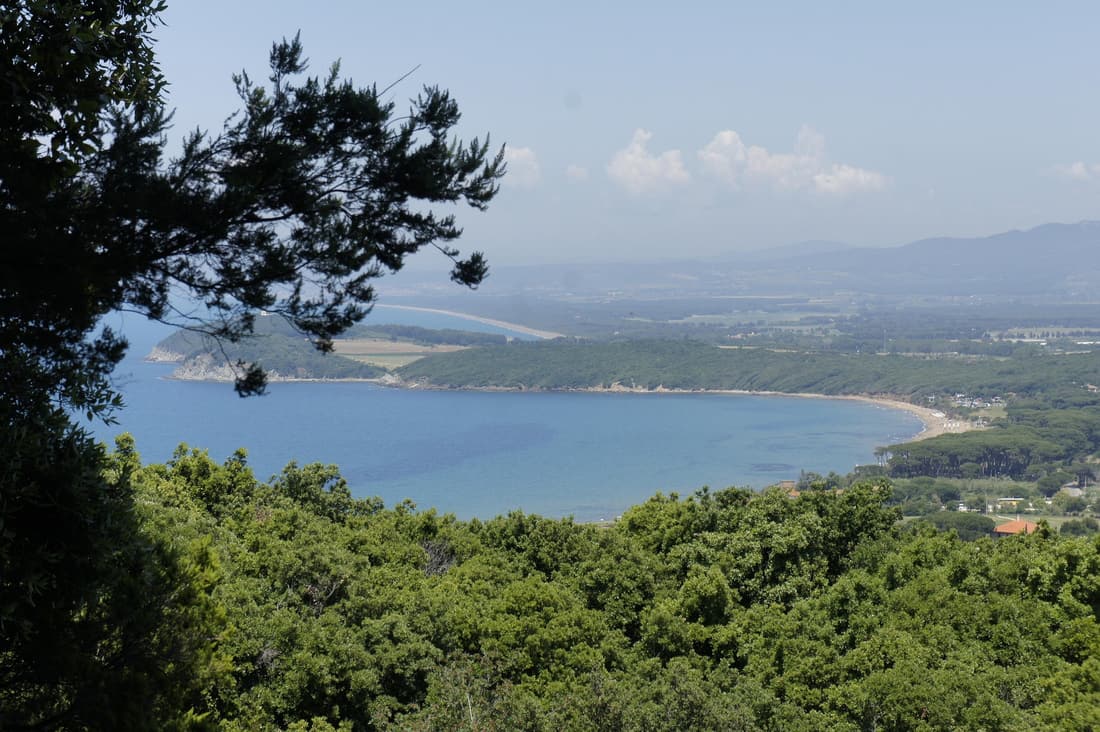
The Maremma defies every Tuscan stereotype—this is a land of cowboys, wild boar, pristine beaches, and untamed nature. The coastal parks protect Mediterranean scrubland and ancient watchtowers, while inland, thermal springs steam among Etruscan ruins. Medieval hilltop towns like Pitigliano, carved from tufa rock, overlook landscapes where butteri horsemen still herd Chianina cattle. The cuisine celebrates wild game, fresh seafood, and robust Morellino wines. The Maremma is Tuscany's secret: authentic, unspoiled, and magnificently wild.

Siena & Chianti

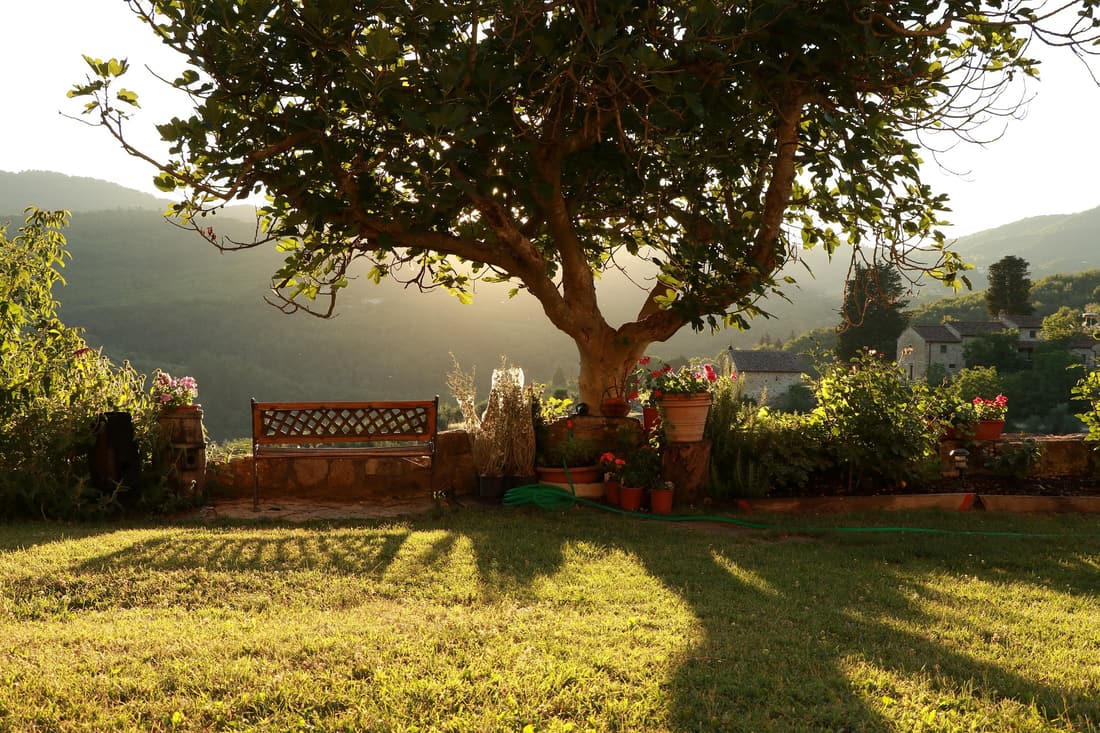
From Siena's Gothic splendor, the journey into Chianti country unfolds through landscapes that define Italian beauty: rolling hills striped with vines, medieval castles, and stone farmhouses surrounded by olive groves. Historic wine estates open their cellars to reveal Chianti Classico's noble tradition, while villages like Radda, Gaiole, and Castellina preserve centuries of winemaking culture. This route combines Siena's artistic magnificence with the authentic pleasures of Tuscany's most famous wine region, where every meal becomes a celebration.

Villages of Tuscany

Pure Chianti Wine Experiences

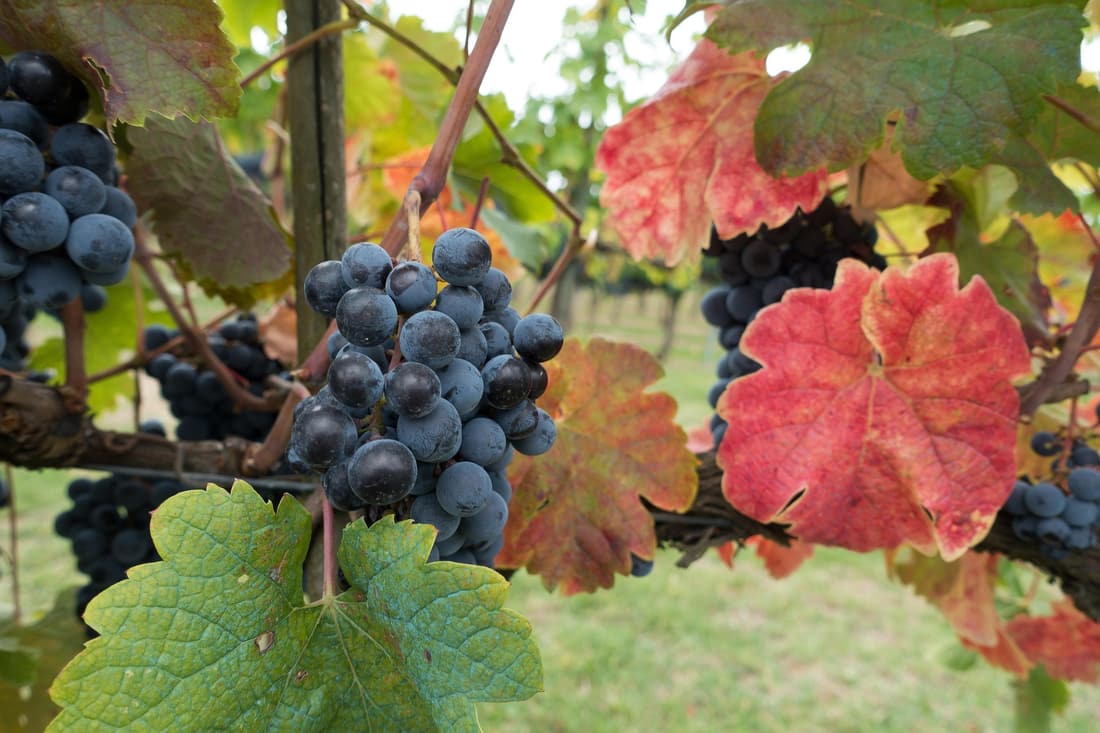
For true wine lovers, Chianti offers immersive experiences beyond the typical tasting. Historic estates like Castello di Brolio, birthplace of the Chianti formula, welcome visitors to explore ancient cellars, Renaissance villas, and vineyards cultivated for generations. Artisan winemakers share their philosophy over vertical tastings of Riserva and Gran Selezione wines. The journey includes traditional osterie serving ribollita and bistecca, visits to village enotecas, and walks through vines where Sangiovese grapes absorb the essence of this blessed land.

Ideas of Experiences from Tuscany to nearby

Cinque Terre: Five Villages, One Dream

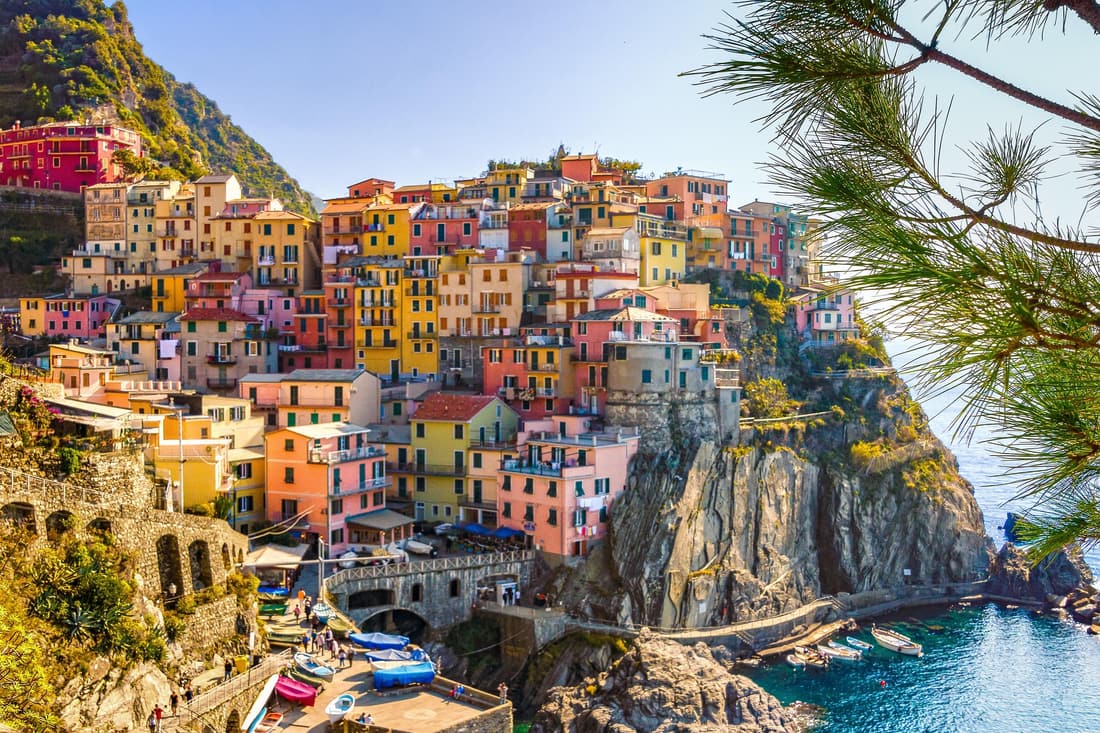
The Cinque Terre clings impossibly to the Ligurian cliffs—five fishing villages painted in pastel hues, connected by ancient coastal paths and terraced vineyards that plunge toward the Mediterranean. Monterosso, Vernazza, Corniglia, Manarola, and Riomaggiore each preserve their unique character while sharing a dramatic beauty that has earned UNESCO protection. Fresh seafood, local wines like Sciacchetrà, and the crystalline sea create an unforgettable experience. Though technically in Liguria, Cinque Terre's proximity makes it a natural extension of any Tuscan journey.

Bologna & the Food Valley

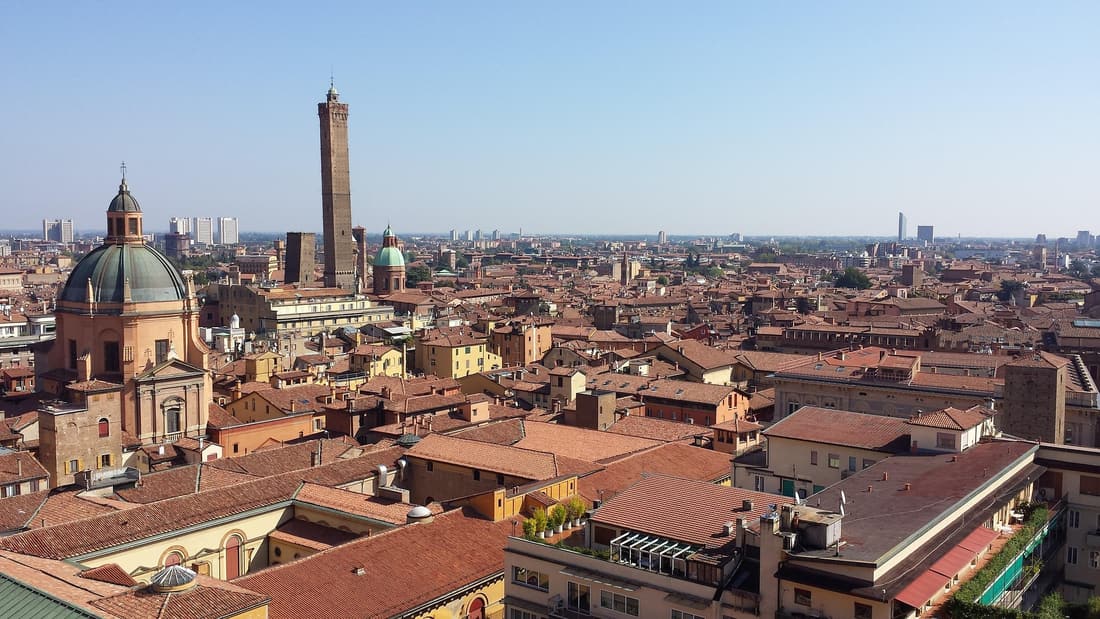
Bologna, the cultured capital of Emilia-Romagna, offers porticoed streets, medieval towers, and Italy's oldest university alongside its legendary cuisine. This is the birthplace of tortellini, tagliatelle al ragù, and mortadella. Beyond the city, the Food Valley stretches through landscapes producing Parmigiano Reggiano, Prosciutto di Parma, and Traditional Balsamic Vinegar of Modena. Visits to production facilities, aged cheese warehouses, and family-run acetaias reveal generations of craftsmanship. Bologna and its valley represent Italian gastronomy at its absolute pinnacle.

Motor Valley: Where Speed Becomes Legend

Between Modena and Bologna, the world's most prestigious sports cars are born. This is Motor Valley, home to Ferrari, Lamborghini, Maserati, Pagani, and Ducati. The museums showcase automotive artistry and racing heritage, while factory tours reveal where engineering meets passion. The Ferrari Museum in Maranello and the Lamborghini Museum in Sant'Agata Bolognese display legendary models, while the Enzo Ferrari Museum in Modena celebrates the life of Il Commendatore. For enthusiasts, this journey represents a pilgrimage to the temples of Italian speed and style.


Ideas of Experiences in Umbria

Assisi & the Franciscan Path

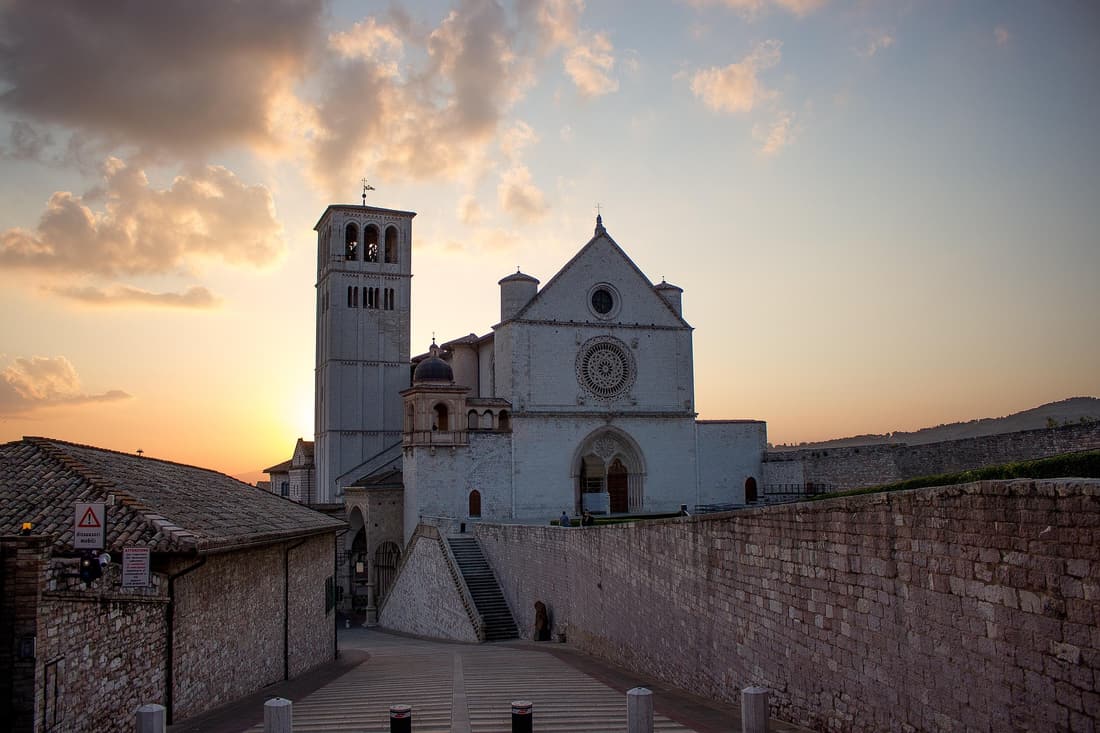
Assisi rises on Monte Subasio's slopes, its pink stone buildings glowing at sunset like something from a medieval painting. The Basilica of San Francesco preserves Giotto's revolutionary frescoes and the saint's tomb, drawing pilgrims from across the world. Beyond the basilica, narrow streets reveal the Rocca Maggiore fortress, the Roman temple of Minerva, and countless corners where Francis walked eight centuries ago. The surrounding landscape—the Eremo delle Carceri hermitage, the Porziuncola chapel, San Damiano—completes the spiritual journey. Assisi offers profound peace, sublime art, and the enduring power of one man's vision..

Perugia & Lake Trasimeno

Perugia commands hilltop heights with Etruscan walls, medieval palaces, and one of Italy's finest art galleries housed in the Palazzo dei Priori. The university brings youthful energy to ancient streets, while artisan chocolate shops celebrate the city's sweet tradition. A short drive descends to Lake Trasimeno, Italy's fourth-largest lake, where fishing villages like Passignano and Castiglione del Lago preserve a timeless rhythm. Islands accessible by ferry, Renaissance fortresses, and fish restaurants serving lago's catch create a landscape of gentle beauty. Together, culture and nature reveal Umbria's diverse soul.

Orvieto & the Medieval Hill Towns

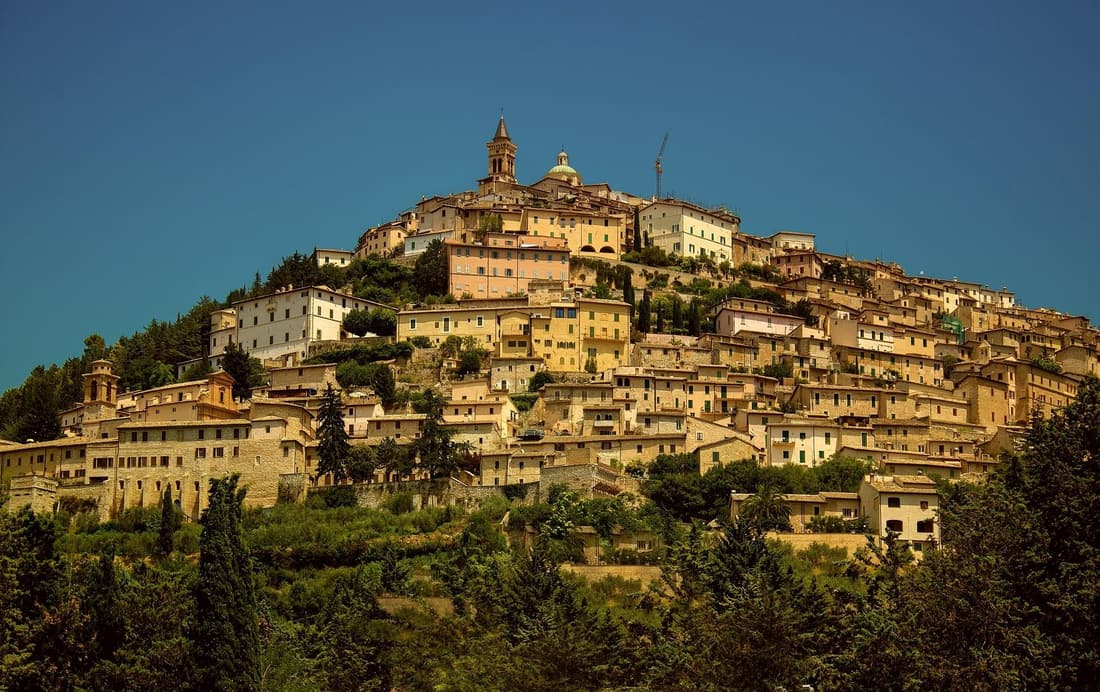
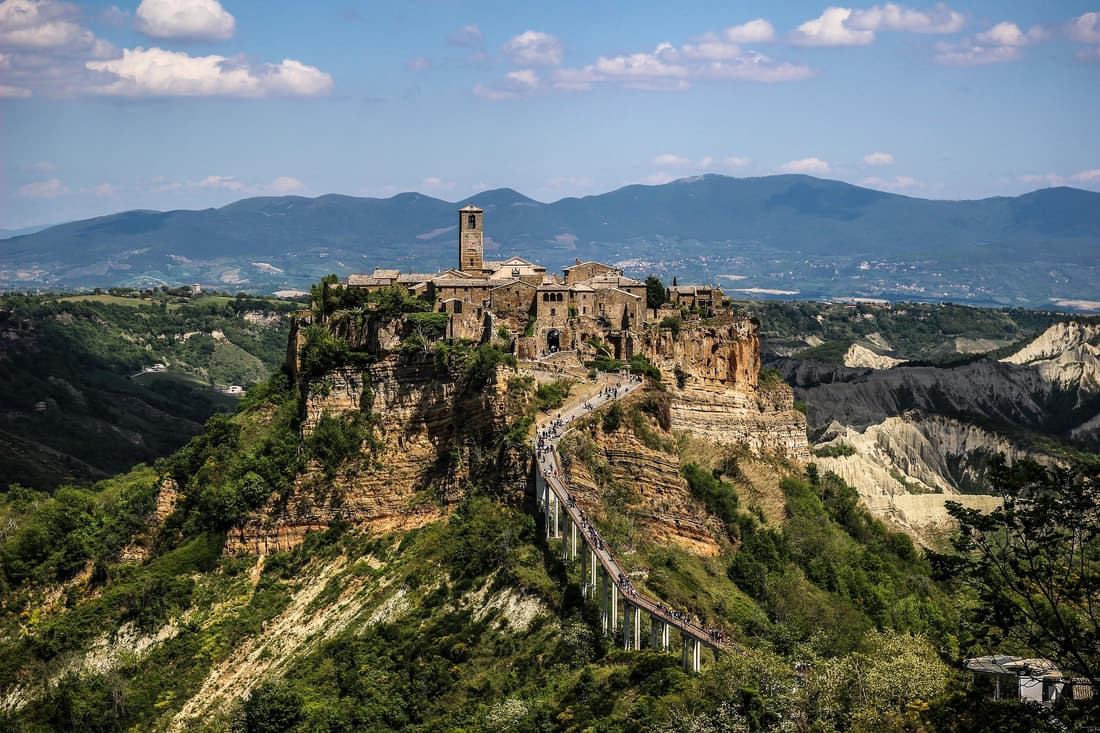
Orvieto erupts from volcanic tufa cliffs, its cathedral facade representing Italian Gothic art at its most spectacular—a masterpiece of mosaics, sculpture, and architectural ambition. Below ground, Etruscan tunnels and Renaissance wells reveal layers of hidden history. The surrounding hills harbor medieval gems: Todi's perfect proportions overlooking the Tiber valley, Civita di Bagnoregio's dying beauty accessible only by footbridge, and Narni's Romanesque bridges and underground chambers. These hill towns suspended between earth and sky embody Umbria's mystical character and architectural splendor.


Spoleto & the Valnerina

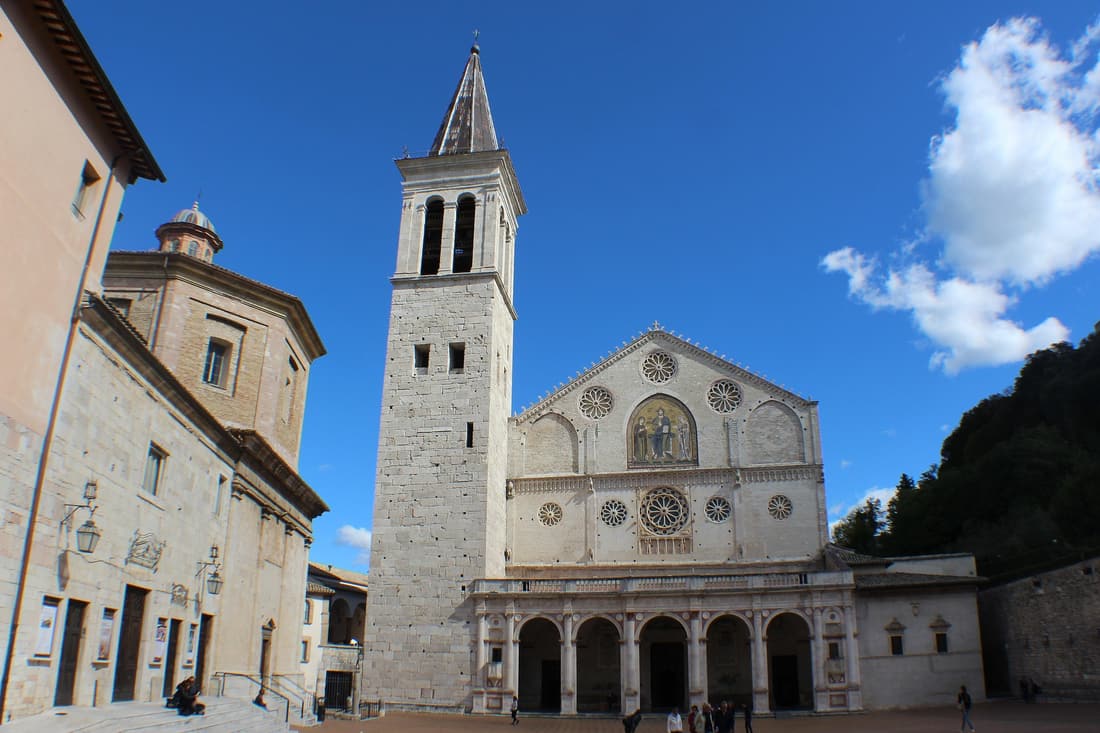
Spoleto balances Roman ruins, medieval towers, and Renaissance art beneath the dramatic Rocca Albornoziana fortress. The Ponte delle Torri, a 14th-century aqueduct-bridge, spans a gorge with breathtaking audacity. The Festival dei Due Mondi brings international performing arts each summer to ancient theaters and piazzas. Beyond the city, the Valnerina valley cuts through the Apennines—a landscape of cascading waterfalls, mountain villages, and the ancient Abbey of San Pietro in Valle with its Lombard frescoes. This region celebrates both refined culture and wild natural beauty.

Gubbio & Northern Umbria

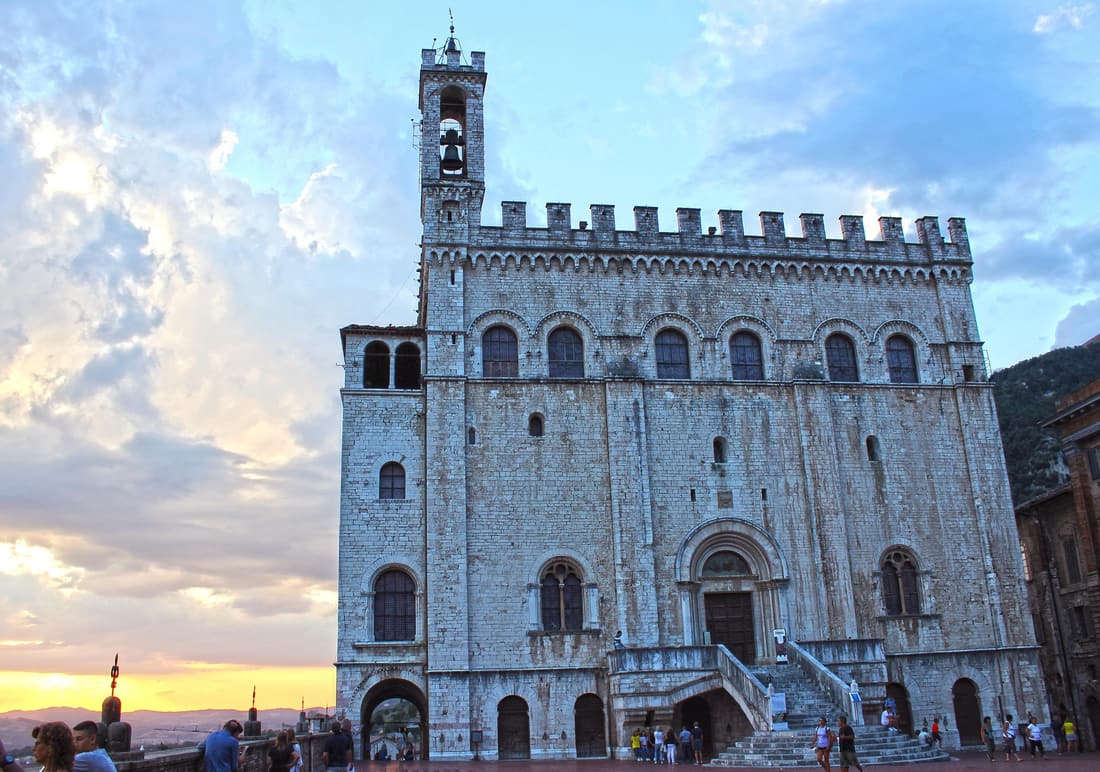
Gubbio rises against Monte Ingino in severe medieval magnificence—a vertical city of stone palaces, the dramatic Palazzo dei Consoli, and the wild Corsa dei Ceri race each May. Roman theater ruins and the funivia cable car to the basilica above add layers to its compelling character. The surrounding northern Umbrian landscape harbors Città di Castello with its Renaissance art, the Tiber's upper valley, and mountain forests where truffles grow and traditional crafts survive. This is Umbria at its most authentic and untamed, proud and beautifully preserved.

Norcia & the Sibillini Mountains

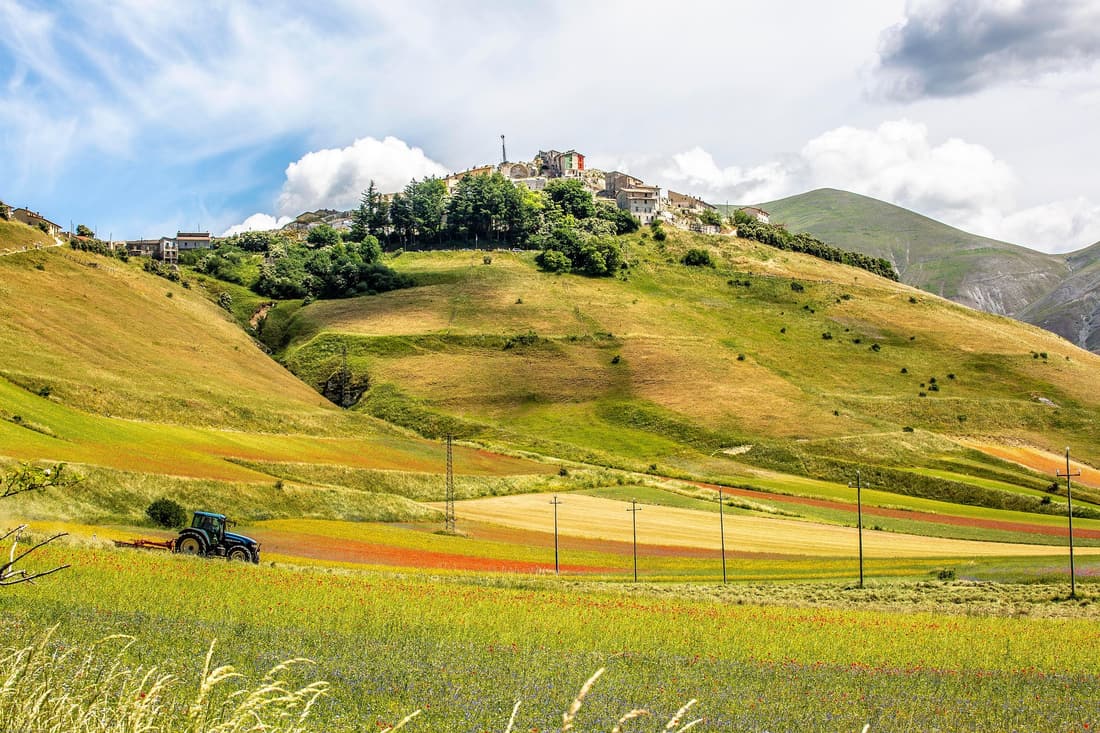
Norcia nestles in a high valley beneath the Sibillini Mountains, famous throughout Italy for its norcinerie—the art of curing pork that made the word "norcino" synonymous with butcher. The town's medieval square, recently restored after earthquakes, centers around the Basilica of San Benedetto, birthplace of Western monasticism's founder. The Piano Grande nearby creates one of Italy's most stunning natural spectacles—a vast plateau carpeted with wildflowers each spring, surrounded by peaks reaching toward 2,500 meters. This is Umbria's wild heart: mountains, mysticism, and magnificent rustic cuisine.


Ideas of Experiences in Apulia

Matera & Montescaglioso

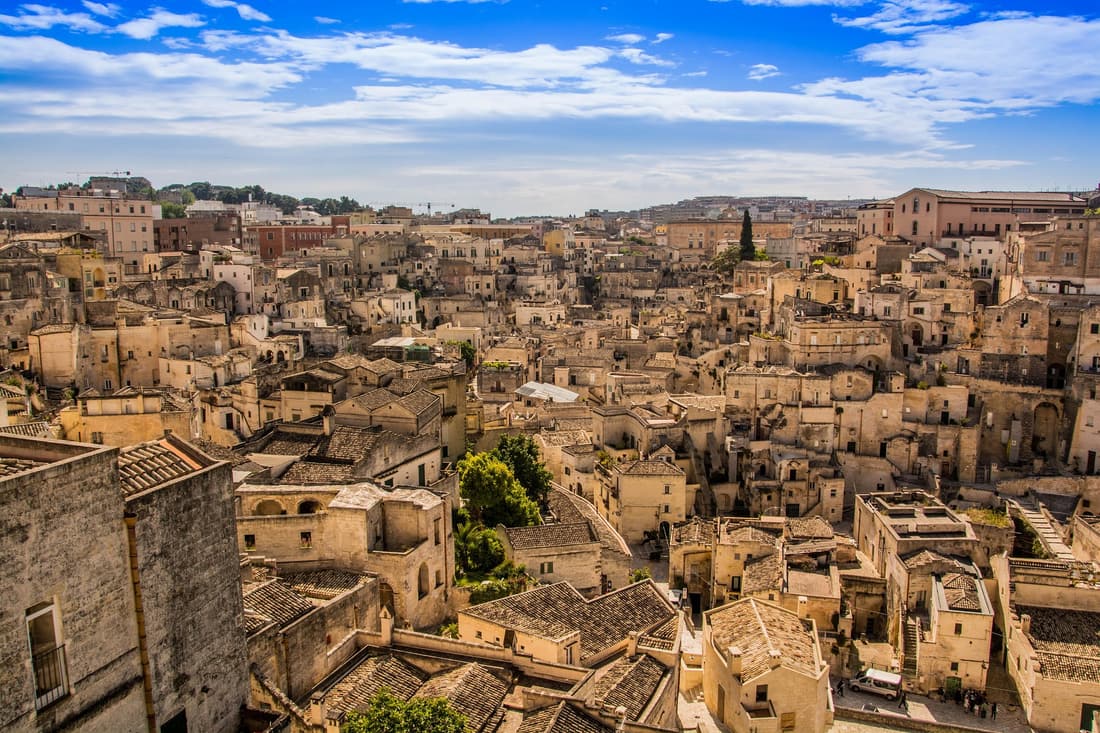
Matera's ancient Sassi district carved into limestone ravines represents one of humanity's oldest continuously inhabited settlements, a UNESCO World Heritage site where cave dwellings have been transformed into boutique hotels and atmospheric restaurants. The city's dramatic beauty has attracted filmmakers from Pasolini to recent biblical epics. Just across the Basilicata border, Montescaglioso crowns a hilltop with its magnificent abbey of San Michele Arcangelo, overlooking valleys planted with wheat and olives. Together, these destinations reveal southern Italy's deepest historical layers and most striking landscapes.

Ostuni & The Hidden Villages of Valle d'Itria

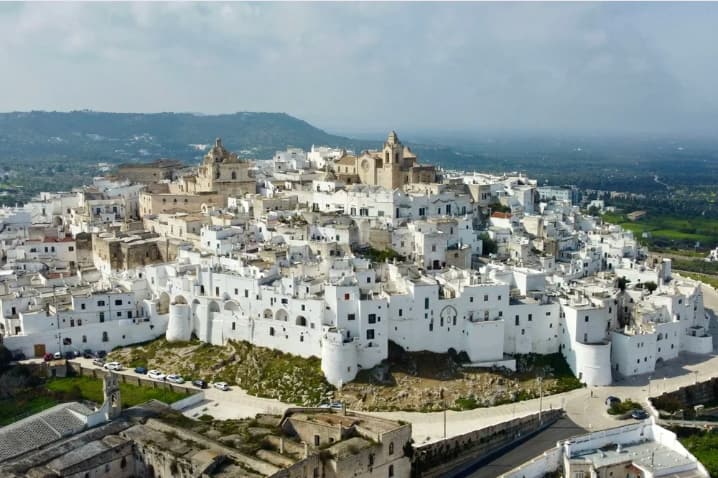
The Valle d'Itria hides Puglia's most enchanting secrets—whitewashed villages where baroque churches emerge from olive groves and trulli dot the landscape like something from a fairy tale. Martina Franca dazzles with its ornate palazzos and the annual opera festival. Ceglie Messapica reigns as a gastronomic capital, its ancient streets leading to restaurants celebrating cucina povera elevated to art. Ostuni, the "White City," cascades down its hilltop in a tumble of lime-washed houses and flowering balconies. This valley offers authentic Puglia: intimate, beautiful, and deliciously unhurried.

Alberobello, Locorotondo & Cisternino

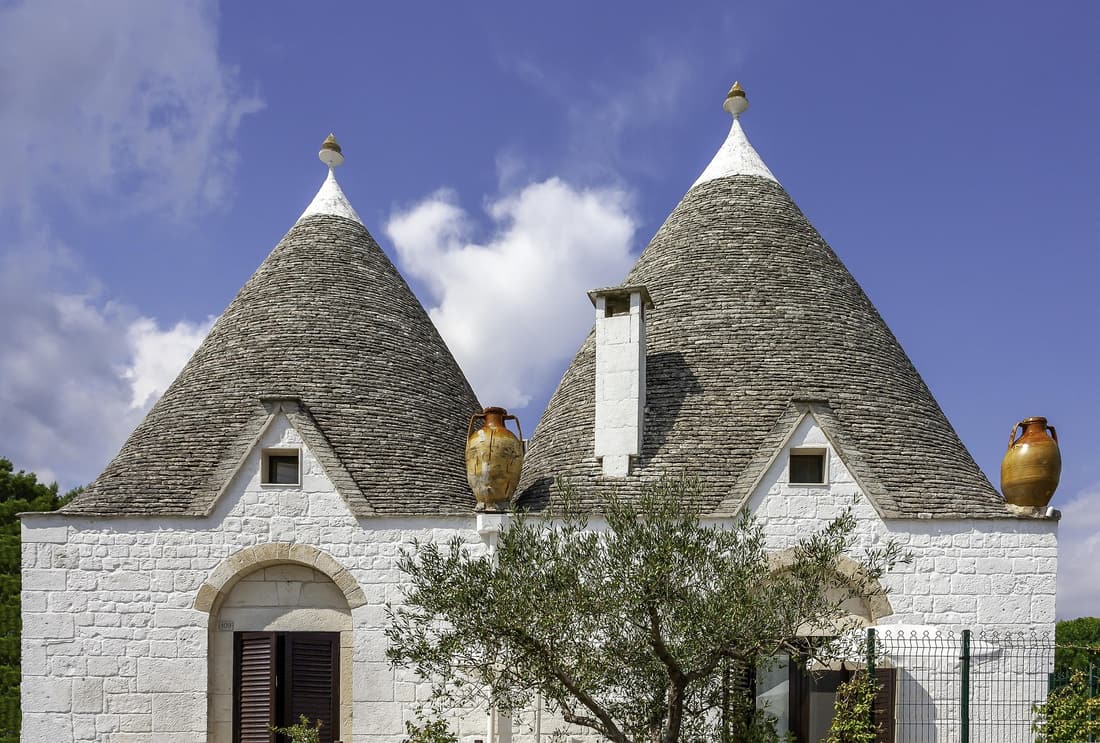
Alberobello's trulli—conical stone dwellings unique to Puglia—create a UNESCO-protected townscape unlike anywhere on earth. Over 1,500 of these whitewashed structures cluster together, their mysterious origins lost to history but their charm undeniable. Nearby Locorotondo earns its name ("round place") from its circular historic center, terraced with white houses and blooming geraniums, overlooking vineyards producing delicate white wines. Cisternino completes the trio with its maze of whitewashed alleys and butcher-restaurants where you choose meat by weight and dine at simple tables. This is Valle d'Itria's heart.


Polignano a Mare, Monopoli & the Coastal Beauty

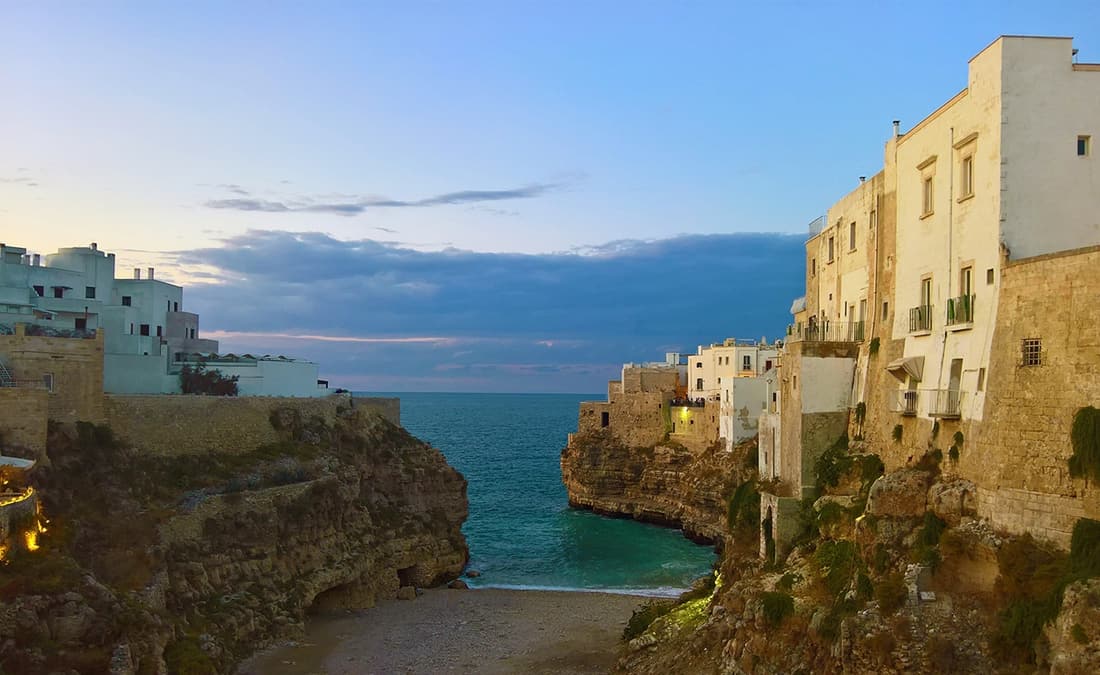
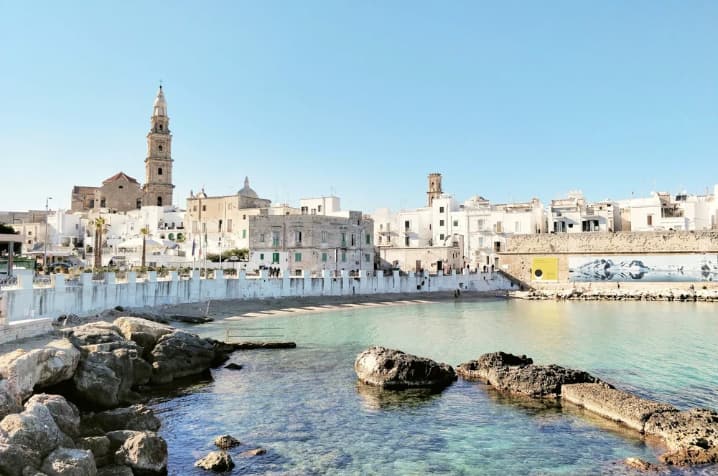
Polignano a Mare clings to dramatic limestone cliffs above turquoise waters, its historic center perched on rocks where waves crash into sea caves below. The town's romantic beauty has made it one of Puglia's most photographed destinations, especially the terrace restaurant suspended over the Adriatic. Monopoli, just south, offers a working fishing port where authenticity prevails—a walled old town of whitewashed streets, baroque churches, and seafood restaurants serving the day's catch. The coastline between them reveals hidden coves, rocky beaches, and crystalline waters defining Mediterranean perfection.

Lecce: The Florence of the South

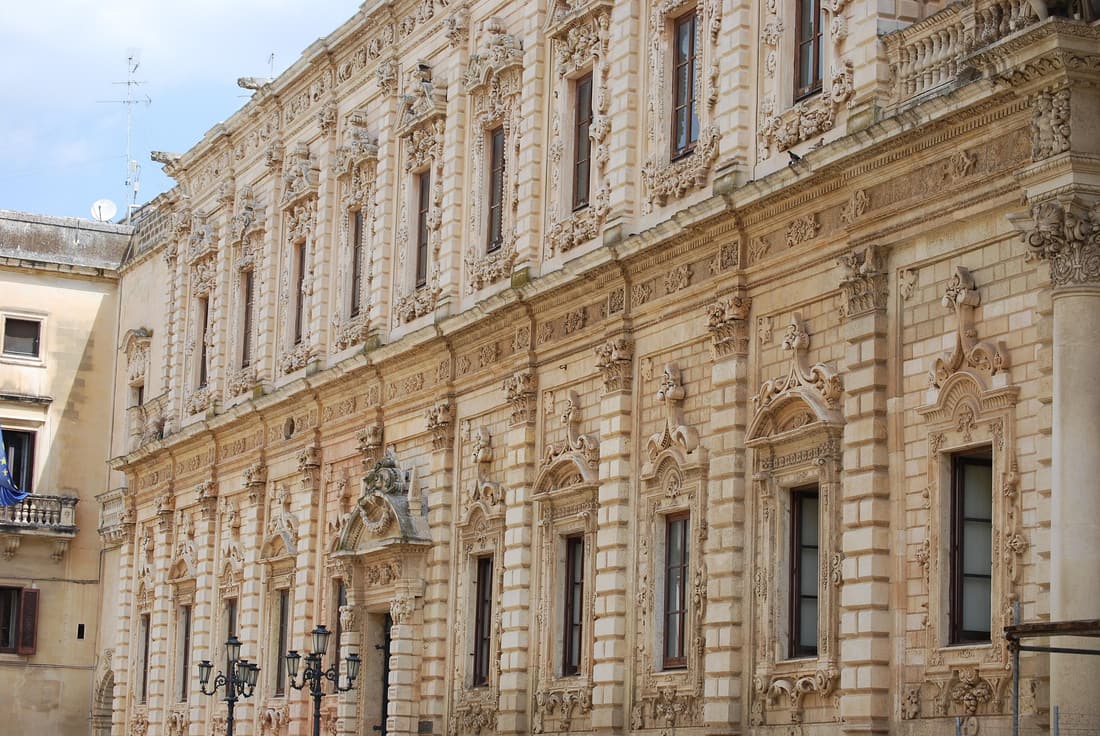
Lecce astonishes with its exuberant baroque architecture carved from golden pietra leccese, a soft limestone that allowed 17th-century sculptors to create impossibly ornate facades, balconies dripping with carved fruit, flowers, and mythological figures. The Basilica di Santa Croce represents the style's apex, while Roman amphitheater ruins remind visitors of the city's ancient origins. Artisan workshops continue traditions of papier-mâché and terracotta, while elegant cafés serve pasticciotto, Lecce's signature pastry. The surrounding Salento peninsula offers masserie estates, vineyards producing Primitivo and Negroamaro, and countryside where time moves differently.

Castel del Monte & Barletta

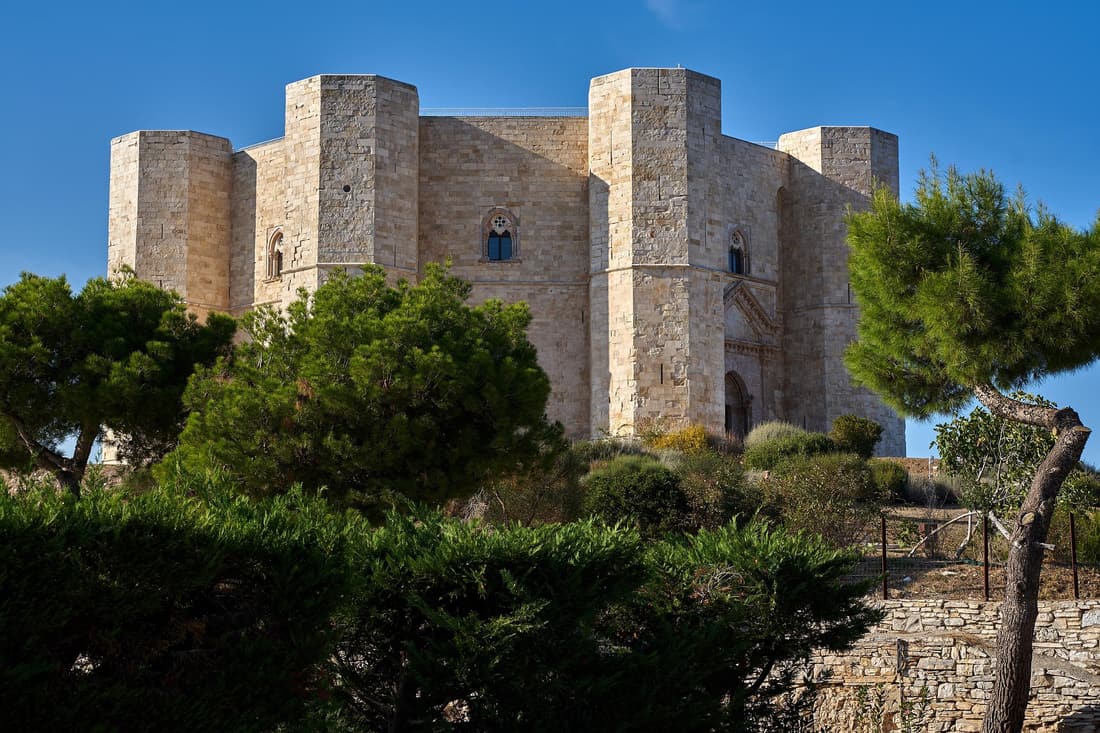
Castel del Monte rises in perfect geometric isolation on a Puglian hilltop, Emperor Frederick II's mysterious 13th-century octagonal masterpiece and UNESCO World Heritage site. Its mathematical precision, astronomical alignments, and architectural fusion of Islamic, Gothic, and classical elements continue to puzzle scholars. The castle overlooks landscapes producing some of Puglia's finest wines, particularly the robust reds of Castel del Monte DOC. The coastal city of Barletta preserves a historic center of medieval charm, the Colossus statue, and stories of the famous Challenge of Barletta, where Italian knights proved their valor.


Gallipoli & Nardò

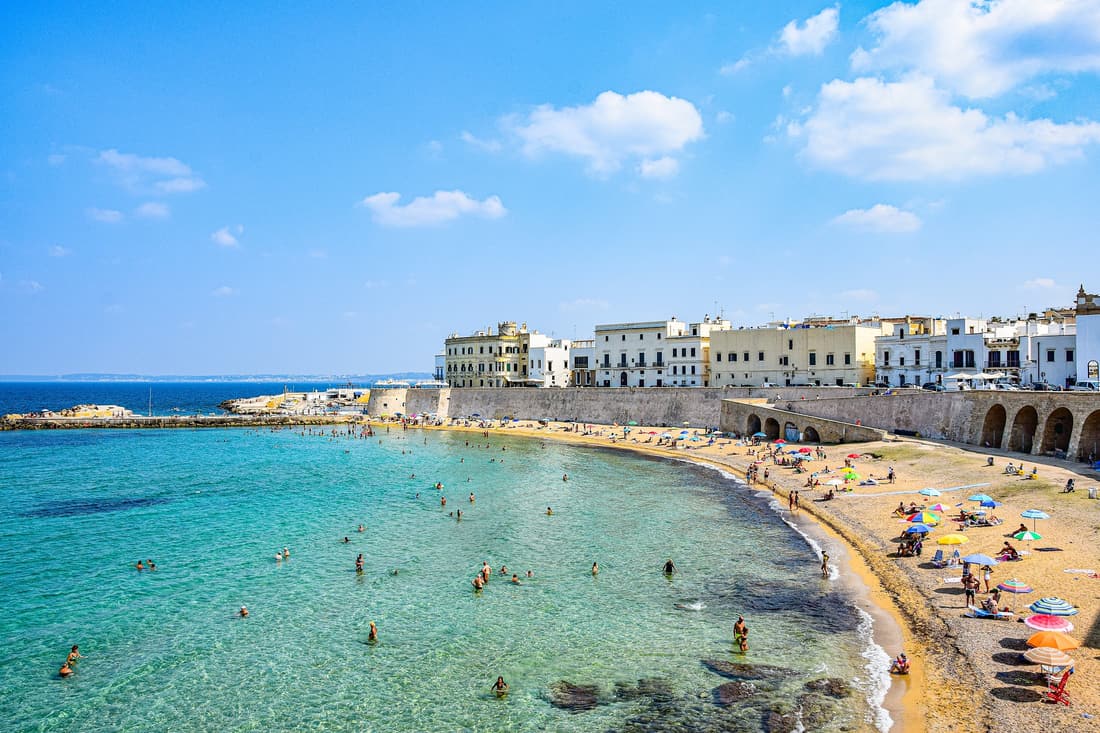
Gallipoli's historic center occupies a limestone island connected to the mainland by a 16th-century bridge, its maze of white alleys leading to baroque churches, fish markets, and restaurants celebrating Ionian seafood. The name derives from Greek "beautiful city," and its sunset views justify the ancient description. Inland, Nardò preserves an elegant baroque heart centered on Piazza Salandra, while nearby coastal areas reveal natural parks and beaches of extraordinary beauty. Together they represent Salento's dual soul: maritime tradition and refined inland culture, both blessed with exceptional light and legendary hospitality.

Bari Vecchia: The Old Soul of Puglia's Capital

Bari Vecchia throbs with life in its labyrinth of narrow streets where local women still roll orecchiette pasta by hand on doorsteps, laundry flutters between ancient buildings, and the scent of focaccia barese drifts from bakeries. The Basilica of San Nicola houses the relics of Saint Nicholas, making this a pilgrimage site for centuries. The seafront promenade separates old town from modern Bari, while the fish market near the port sells the day's catch with theatrical energy. This is authentic southern Italian urban life, unpolished and irresistibly genuine.

Otranto & the Adriatic Beauty

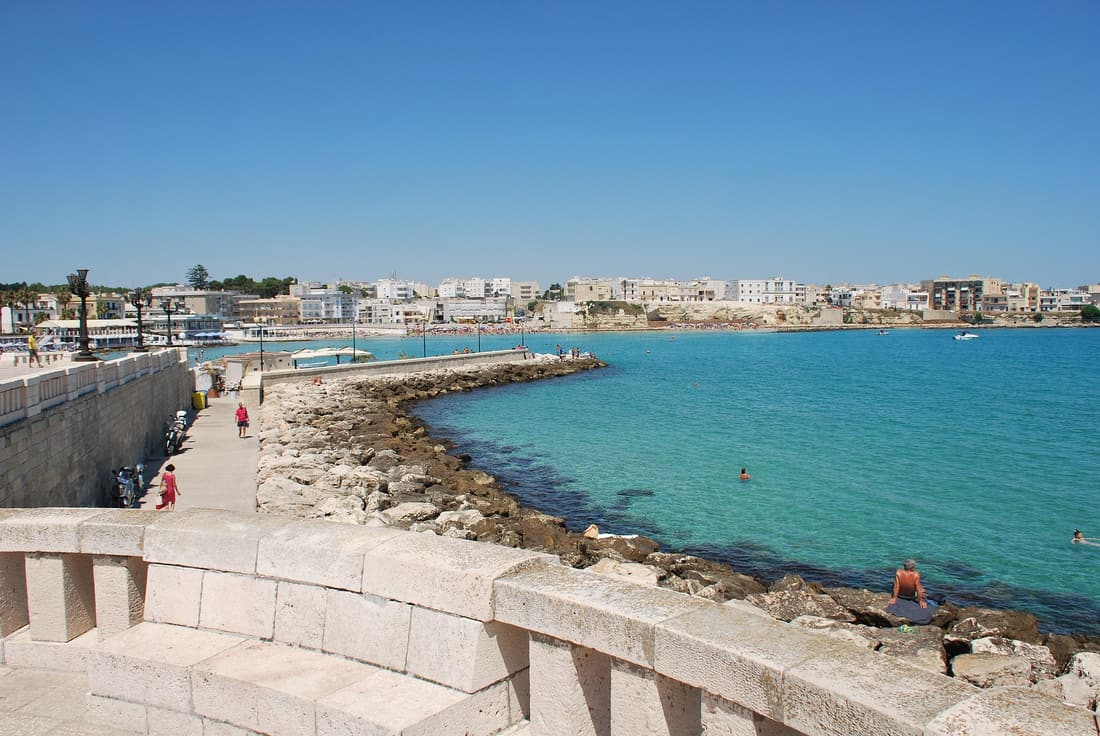
Otranto guards Italy's easternmost point, where the Adriatic meets the Ionian and Greece feels close enough to touch. The walled historic center preserves Norman and Byzantine heritage, crowned by a cathedral whose stunning mosaic floor depicts the Tree of Life. Aragonese castle walls face a harbor where fishing boats still paint the waterfront in primary colors. The coastline north and south reveals dramatic cliffs, hidden beaches, and waters of impossible clarity. Nearby, abandoned quarries and coastal towers tell stories of invasions, trade, and centuries of Mediterranean crossroads history.

Contact ViaTerrae’s Drivers